Stain Removal in E2
When a spill lands on a sofa, carpet, curtain, mattress, or office chair, it rarely happens at a convenient time. Coffee in the morning rush, red wine at dinner, muddy footprints after rain, grease from a takeaway, ink from a leaky pen, or pet accidents on a favourite rug can all leave marks that seem impossible to shift. If you are looking for Stain Removal in E2, you are probably not just searching for a cleaner surface; you want a practical solution that protects your home or business, saves time, and helps avoid permanent damage. A local service matters because every stain is different, every fabric reacts differently, and properties in the E2 area can present their own access, parking, and scheduling challenges.
Our approach is built around real customer needs in the E2 area, including homes, flats, shared buildings, shops, salons, offices, rental properties, and hospitality spaces. Whether the problem is on upholstery, carpet, hard flooring, or fabric furnishings, stain treatment needs to be handled with care. Professional stain removal is about more than wiping the surface; it involves identifying the cause of the mark, testing materials where needed, choosing the right method, and reducing the risk of spreading the stain or setting it deeper into the fibres.
If you need a quick response, practical advice, or help deciding whether an item can be saved, a local team can make the process simpler from the start. Contact us today to request a free quote or arrange an assessment for stain removal support in E2.
Why Stain Removal in E2 needs a local approach

E2 includes a wide mix of property styles and occupiers, from period homes and converted flats to modern apartments, retail units, studios, and commercial premises. That variety matters because the same stain can behave differently depending on the surface, the age of the material, and how the space is used. A busy family home in E2 may need help with food spills, marker pen, or pet-related stains, while a local café or office may need discreet treatment for coffee, grease, or ink marks on upholstery and carpets.
Local knowledge also helps with the practical side of the job. In parts of E2, parking can be limited, access routes may be tight, and buildings can have stair-only entry, controlled entry systems, or narrow communal hallways. A local stain removal company understands these realities and can plan the visit accordingly, helping reduce disruption and avoid unnecessary delays. That is especially useful for customers who need treatment carried out around working hours, school runs, business opening times, or tenant turnover schedules.
Another reason local service matters is urgency. Certain stains are time-sensitive. The sooner a mark is treated, the better the chance of lifting it safely. If a spill sits too long, it may penetrate deeper, react with cleaning products already used at home, or become more difficult to remove. For customers seeking stain removal E2 residents and businesses can rely on, quick assessment and the correct method are often the difference between a temporary blemish and a lasting stain.
What can be treated?

Stains come in many forms, and a good service should be prepared to deal with the most common problem areas in a home or workplace. The exact result depends on the material, the type of stain, and how long it has been there, but many marks can be improved significantly with the right treatment.
Common stain categories include:
- Food and drink stains such as tea, coffee, wine, fruit juice, sauce, curry, and fizzy drinks
- Grease and oil marks from cooking, cosmetics, machinery, or takeaway food
- Ink and dye transfer from pens, printer toner, markers, and colouring products
- Pet stains including urine, vomit, and general soiling on carpets and soft furnishings
- Mud and outdoor dirt tracked in from busy streets, transport links, parks, or wet weather
- Makeup and beauty products on upholstery, fabric chairs, and mattresses
- Blood and other protein-based stains that need careful handling
- Water marks and tannin stains on some natural fabrics and wood surfaces
Some stains are visible immediately, while others only appear after they dry or after a DIY cleaning attempt. In many cases, the stain itself is only part of the problem. Residue can remain below the visible surface, causing odour, discolouration, or reappearing marks later. That is why professional stain removal in E2 usually begins with identifying what caused the stain, what it has affected, and whether the item can safely be treated on-site.
For customers in E2, this can include a single sofa cushion in a flat, a hallway carpet in a rental property, office furniture in a shared workspace, or a stained rug in a family living room. The aim is to restore the item as much as possible while protecting the underlying fibres and finishes.
How the service works

The process begins with an inspection. A technician looks at the stained item, the fabric or surface type, the age of the mark, and any previous cleaning products that may have been used. This step is important because different methods are suitable for different materials. What works well on a synthetic office chair might be unsuitable for delicate upholstery or a natural fibre rug. The goal is always to select the safest and most effective treatment.
After the assessment, a suitable stain treatment is chosen. This may involve spot treatment, controlled agitation, specialist stain dissolving products, pre-treatment for oily marks, or careful extraction depending on the surface. Where appropriate, the area may be rinsed or neutralised to help reduce residue. On fabrics and carpets, the process often finishes with drying advice so the area can be used again with minimal disruption.
In many cases, stain removal is not a one-size-fits-all service. Some marks respond well to the first treatment, while others need a staged approach. A local professional will usually explain what can be done, what the realistic outcome might be, and whether there is a risk of faint shadowing or permanent change. This honest approach helps customers make informed decisions before they commit to work.
What is usually included
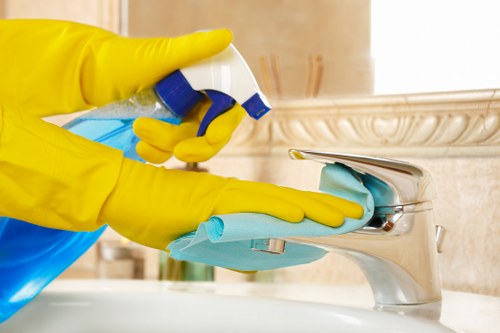
When you arrange stain removal support, you should know what is included so there are no surprises on the day. While the exact service may vary by item and situation, most local stain removal visits will cover the key stages needed to treat the problem properly.
A typical service may include:
- Initial inspection of the stain and affected material
- Identification of likely stain type where possible
- Advice on whether the item is suitable for treatment
- Testing of products on delicate or sensitive materials
- Targeted application of stain removal solutions
- Careful working to avoid spreading the mark
- Extraction, wiping, or rinsing where appropriate
- Post-treatment checks for remaining residue or odour
- Practical drying and aftercare advice
Customers in E2 often want reassurance that the treatment will be carried out with care in their living space or business setting. That is why it helps to choose a company that works cleanly, brings the right equipment, and respects shared entrances, communal areas, and occupied properties. Whether you are dealing with one stubborn stain or several problem spots, clear communication and a careful process make a noticeable difference.
Helpful for homes and businesses
Stain treatment is useful across a wide range of local settings. Residential customers may need help after family meals, children’s accidents, pet incidents, or everyday wear and tear. Commercial customers may need support to keep premises presentable for staff and visitors. In many cases, the item can be cleaned with less disruption than replacement, which can be particularly valuable when furnishings are built-in, expensive, or only lightly damaged.
Why choose a local company for stain removal in E2?

There are practical advantages to choosing a local team rather than trying to handle everything alone. A local provider understands the layout and pace of the area, which helps with punctuality, parking planning, access arrangements, and scheduling around busy streets and mixed-use buildings. That kind of local familiarity saves time and reduces stress for customers who do not want an unnecessarily complicated visit.
Another benefit is responsiveness. Stains are easier to deal with when treated promptly, and local availability can make that easier to arrange. If a mark appears during a tenant handover, before an event, after a family gathering, or during a working week when you cannot afford much disruption, having a nearby specialist can be a major advantage. Businesses in E2 often need fast, discreet attention, especially in customer-facing areas.
There is also the matter of trust. A local service has to earn repeat business through careful work and practical communication. That means clear expectations, sensible advice, and treatments that are matched to the item rather than forced into a standard routine. If a stain is likely to be difficult, a good provider will say so. If it is treatable, they will explain the likely process and any follow-up care needed.
This is especially important for rental properties, managed buildings, and commercial premises. Landlords, agents, business owners, and facilities managers often need a service that can be arranged efficiently and carried out with minimal interruption to other people using the space.
Local property types and real-world stain problems in E2
E2 has a mix of property types, and each one brings its own challenges. Flats and apartments often involve shared access, limited storage for bulky equipment, and careful timing around neighbours. Period properties may contain older fabrics or delicate finishes that need more cautious treatment. Newly renovated spaces may have light-coloured carpets or modern upholstery where even a small mark stands out. Offices and shared workspaces often need fast treatment for coffee spills, chair marks, and everyday wear in reception areas or meeting rooms.
Retail and hospitality spaces have their own pressures. A stain on a visible chair, waiting area carpet, or upholstered bench can affect the appearance of the whole room. In these settings, stain removal is not just about appearance; it is part of maintaining a tidy, professional environment for customers and staff. Local companies in E2 often work with these practical realities in mind, helping keep disruption low and presentation high.
Nearby areas and surrounding neighbourhoods can also create shared demand patterns, including homes and businesses around Bethnal Green, Shoreditch edges, Bow-adjacent routes, and other East London locations close to E2. Customers in these areas often face similar issues: busy lifestyles, compact spaces, shared access, and the need for a service that can be arranged without fuss. That is why a local stain removal service can feel more straightforward than a distant one.
What affects the price?
Every stain removal job is different, so pricing usually depends on several factors rather than one simple fixed figure. It is better to receive a tailored quote than to assume a mark will cost the same as another, because the amount of work, type of fabric, and level of contamination can vary significantly.
Common pricing factors include:
- The type of stain and how long it has been present
- The surface or fabric involved, such as carpet, upholstery, rug, or mattress
- The size of the affected area
- Whether the stain is isolated or part of broader soiling
- Any previous DIY treatment that may have altered the material
- Access conditions, especially in flats, upper floors, or shared buildings
- Whether the job is residential or commercial and how urgently it needs to be carried out
A quote should always reflect the actual job rather than guesswork. That is especially important in stain removal because a small visible mark may have deeper penetration, while a larger surface stain may be relatively straightforward if treated quickly. If you are comparing options in E2, ask what the assessment covers, how the service is delivered, and whether any extra care is needed for delicate materials.
Requesting a free quote is often the best first step. It lets you explain the problem, share useful details about the item, and understand whether a visit is the right next move.
Preparation checklist before your appointment
Preparing the space properly can help the visit go smoothly and improve the chance of a good result. You do not need to do any heavy work yourself, but a few simple steps can make the process more efficient and help the technician focus on the stain.
Before the visit, it helps to:
- Point out the exact stain and mention when it happened
- Let the team know what caused it, if you know
- Avoid applying more household products unless advised
- Move small personal items away from the area where possible
- Make sure access is clear to the room or item being treated
- Share any building access notes, parking restrictions, or entry instructions
- Mention if the material is delicate, antique, or recently cleaned
It is also useful to avoid scrubbing the stain aggressively before the appointment. Rubbing can spread the mark, damage fibres, or push the stain deeper into the surface. In some cases, water alone can make the problem worse if the stain is dye-based, oil-based, or protein-based. If in doubt, it is usually better to leave the area alone and let a professional assess it first.
For local households and businesses in E2, a little preparation can make a noticeable difference, especially where the space is busy or access is limited. The aim is to make the visit as efficient and low-stress as possible.
Common mistakes to avoid
DIY stain removal is tempting, especially when the mark is fresh. However, many common household reactions can make the issue worse. This is particularly true on delicate upholstery, wool carpets, light-coloured fabrics, and commercial soft furnishings that must keep a consistent appearance.
Common mistakes include:
- Rubbing hard with a cloth, which can spread the stain
- Using too much water on materials that do not dry quickly
- Applying bleach or harsh chemicals without testing
- Mixing different cleaning products together
- Using heat before knowing whether the stain is heat-sensitive
- Ignoring a stain for too long and letting it set
Some stains, such as ink, blood, tannin, or dye transfer, need a specialist method. Others may seem simple but can leave a visible ring or residue after cleaning. If you are unsure, it is often safer to stop and ask for a professional opinion. A good local stain removal service in E2 will be honest about what can be improved and what can be fully restored.
Fast action is helpful, but the right action matters more than the quickest reaction.
Residential and commercial stain removal support
Homes and businesses often face different priorities. In a home, the main concern may be saving a favourite sofa, rug, or mattress, and avoiding the cost of replacement. In a commercial setting, the priority may be keeping the premises presentable, maintaining hygiene, and reducing disruption to staff or customers. Stain removal services need to work for both.
Residential customers often ask for help with:
- Living room carpets and rugs
- Sofas, armchairs, and dining chairs
- Mattresses and headboards
- Hallway and stair carpets
- Pet-related accidents
- Spills from food, drinks, cosmetics, or craft materials
Commercial customers often need treatment for:
- Office chairs and reception seating
- Meeting room carpets
- Hospitality upholstery and banquettes
- Retail fitting rooms and customer areas
- Rental and managed property turnarounds
- Stain-related refreshes before inspections or events
A local service can adapt to both settings, whether the job is straightforward or needs a more careful, staged treatment. In many cases, a timely clean can help extend the life of the material and reduce the need for replacement. For landlords and business owners, that can be particularly useful when items are part of a set and visual consistency matters.
Frequently asked questions
Can every stain be removed?
No service can promise that every stain will disappear completely, because results depend on the stain type, the material, the age of the mark, and any previous cleaning attempts. However, many stains can be significantly reduced, lightened, or removed entirely with the right method.
Should I try to clean the stain myself first?
Only if you are confident the material can handle it. For delicate fabrics, unknown substances, or older marks, it is often better to avoid DIY treatment. Over-wetting, scrubbing, and using strong chemicals can make a professional job more difficult.
How quickly should I arrange treatment?
As soon as possible. Fresh stains are usually easier to deal with than those that have been left for days or weeks. That is especially true for dyed drinks, grease, and pet accidents.
Do you work with flats and buildings with limited access?
Yes, local stain removal in E2 often involves apartments, stair-only access, communal entrances, or controlled entry systems. Good planning makes the appointment smoother, so it helps to mention access details when you enquire.
Is stain removal suitable for businesses?
Yes. Many commercial customers use the service to keep seating, carpets, and public areas looking presentable. It is a practical option for offices, retailers, hospitality venues, and managed properties.
What if the stain has been there for a long time?
Older stains can be harder to remove, but they are not always hopeless. A specialist will assess whether the stain can be lifted, reduced, or treated in stages. Even when a mark does not vanish completely, the appearance may still improve substantially.
Areas covered around E2
Customers looking for stain removal in E2 often come from a wide local mix of streets, blocks, and business districts. Work is commonly arranged for homes and commercial properties around Bethnal Green and nearby East London areas, including places with busy foot traffic, shared entrances, and compact urban layouts.
Service is typically relevant for:
- Flats and maisonettes
- Family homes and shared houses
- Managed rental properties
- Shops and salons
- Offices and studios
- Cafés, restaurants, and hospitality spaces
If you are located near the E2 area and need a reliable way to deal with stains on soft furnishings or carpets, a local visit can be arranged with the space and access needs in mind. That flexibility is one of the main reasons customers choose a nearby specialist instead of trying to manage the issue alone.
Book your service now if the stain is becoming more visible, affecting the room’s appearance, or causing concern in a rental or customer-facing property.
Why customers keep choosing specialist stain treatment
People often assume stain removal is only about making something look cleaner, but the real value goes further. It can protect your furnishings, reduce waste, save time, and restore confidence in the space. A clean sofa, carpet, or chair can make a room feel cared for again. In commercial settings, it can support a professional impression and help maintain a comfortable environment for staff and visitors.
Specialist stain treatment is especially worthwhile when the item is expensive, difficult to replace, or part of a larger fitted space. Instead of replacing a whole carpet or upholstered item for the sake of one mark, a targeted clean may solve the problem more economically and with far less disruption. That is one reason customers searching for Stain Removal in E2 often prefer a practical assessment before deciding what to do next.
Contact us today to discuss the stain, the item affected, and the kind of result you are hoping for. A free quote can help you decide whether treatment is the right option, and a local team can advise on the best next step based on your property and material type.
A simple next step
Whether you are dealing with one stubborn mark or several problem areas, reaching out early gives you the best chance of a better outcome. Request a free quote and take the first step toward restoring your carpet, upholstery, or fabric surfaces in E2.