Health and Safety Policy for Cleaners E2
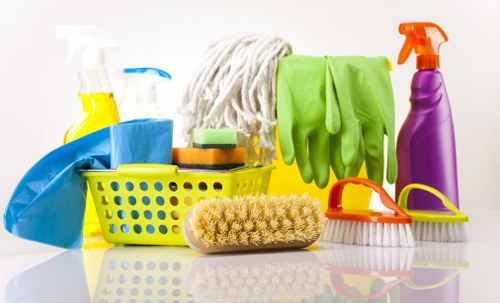 Health and safety is a core priority in every cleaning environment. A clear policy helps cleaners E2 work confidently, reduce risks, and maintain professional standards while carrying out daily tasks. Whether the work involves offices, communal areas, retail spaces, or specialist sites, a consistent approach to cleaner safety protects staff, visitors, and property. This policy sets out practical expectations for safe working, careful handling of equipment, and responsible use of materials.
Purpose and Scope
The purpose of this policy is to support safe, efficient, and reliable cleaning operations. It applies to all cleaning activities, including routine maintenance, deep cleaning, waste removal, and the use of electrical or chemical cleaning equipment. Every cleaner E2 should understand that safety is not separate from performance; it is part of delivering high-quality results. A well-managed workplace reduces accidents, prevents damage, and improves overall service consistency.
Key responsibilities
Cleaners E2 are expected to follow safe working methods at all times. Supervisors should provide appropriate instruction, equipment checks, and oversight. Staff must report hazards promptly, use protective equipment correctly, and avoid unsafe shortcuts. Simple habits such as storing items properly, keeping walkways clear, and checking tools before use can significantly lower the chance of injury. Safe cleaning practice depends on awareness, discipline, and communication.
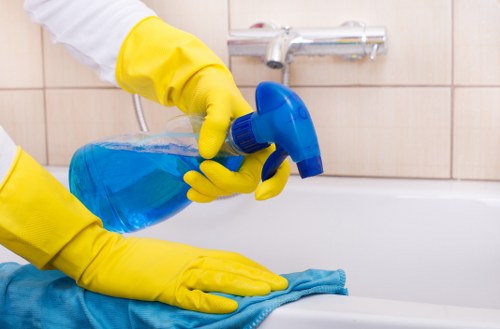 Risk assessment is an essential part of this policy. Before any cleaning task begins, the working area should be assessed for slip hazards, trailing cables, broken surfaces, exposed wires, sharp objects, or chemical spill risks. In environments with higher foot traffic, additional care is needed to protect people passing through the area. Warning signs, barriers, and temporary access controls should be used whenever necessary to reduce exposure to danger.
Each cleaner E2 should be trained to recognise common hazards and respond appropriately. Wet floors, lifting heavy waste bags, reaching into awkward spaces, and working near machinery are all tasks that require attention. If a task feels unsafe, it should be paused until the issue is resolved. Good judgement is part of professional cleaning standards and helps prevent avoidable incidents.
Personal protective equipment, or PPE, must be selected according to the task being performed. Gloves, masks, eye protection, non-slip footwear, and aprons may be necessary depending on the materials used and the condition of the site. PPE should fit correctly, be kept clean, and be replaced when damaged. The aim is not only to comply with safety expectations but to create a reliable barrier against common cleaning risks.
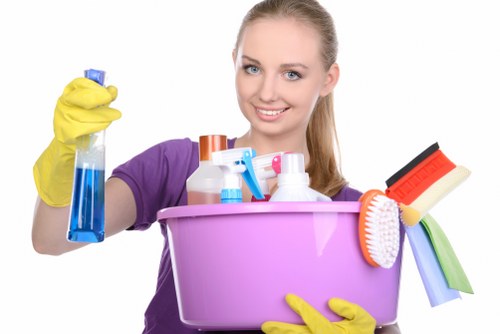 Cleaning chemicals must be handled with care. All products should be clearly labelled, stored securely, and used only for their intended purpose. Mixing chemicals can create dangerous reactions, so cleaners E2 should never combine substances unless specifically instructed by a qualified process. Material safety information should be available where required, and staff should understand dilution instructions, contact times, and safe disposal methods. Chemical safety is especially important in enclosed or poorly ventilated spaces.
Ventilation should be maintained whenever possible during cleaning work. Airflow helps reduce exposure to fumes, supports comfort, and lowers the risk of irritation. In addition, cleaners should open and close areas in a controlled way, making sure that doors, windows, and access points do not create new hazards. When working in areas with limited air circulation, extra caution and suitable protective measures may be needed.
Manual handling is another significant part of a strong health and safety policy. Lifting bins, moving equipment, carrying supplies, and repositioning furniture can place strain on the body if done incorrectly. Cleaners E2 should use safe lifting techniques, keep loads manageable, and ask for assistance when an item is too heavy or awkward. Using trolleys, carts, and other aids can reduce physical strain and improve efficiency.
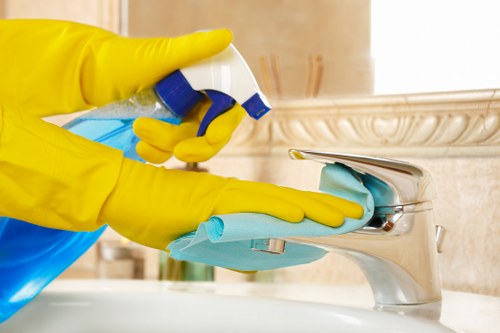 Equipment must be maintained in good working order. Before use, cleaners should check that vacuums, mops, buffers, extension cords, and other tools are clean, intact, and suitable for the task. Damaged equipment should be removed from service immediately and reported for repair or replacement. Regular maintenance helps prevent electrical faults, cuts, slips, and other avoidable problems. A dependable cleaning safety policy depends on both the equipment and the person using it.
Housekeeping standards also play a major role in workplace safety. Cleaning materials should not be left in corridors, exits, or shared access points. Spills must be dealt with quickly, and waste should be removed in a controlled way. Good housekeeping improves movement around the site and reduces the chance of trips, falls, and contamination. It also supports a more organised and professional working environment.
Emergency awareness is essential for every cleaner E2. Staff should know how to respond to fire alarms, accidents, spills, and sudden illness. Emergency routes and evacuation procedures must remain clear at all times. First aid arrangements should be understood, and any incident should be reported and recorded according to internal procedures. Quick, calm action can protect people and limit the impact of an incident.
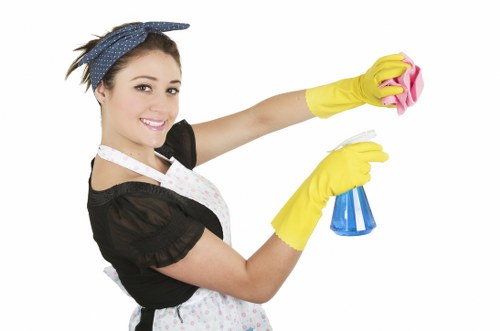 Training and communication help keep standards consistent across all sites. New cleaners should receive a proper induction covering hazards, safe methods, equipment use, and reporting procedures. Refresher training can help reinforce good habits and address changing working conditions. A clear line of communication between cleaners and supervisors ensures that concerns are dealt with early and that safe practices remain part of everyday work.
Monitoring and review are necessary to keep the policy effective. Health and safety measures should be checked regularly so that improvements can be made where needed. This may include reviewing incident records, inspecting equipment, updating risk controls, and refreshing training materials. The aim is to create a living policy that continues to protect staff and support high standards of service.
Ultimately, health and safety for cleaners E2 is about practical prevention. Careful planning, correct equipment use, safe chemical handling, good housekeeping, and clear communication all contribute to safer cleaning work. When these principles are followed consistently, cleaners can carry out their duties efficiently while reducing risks to themselves and others. A strong cleaner health and safety policy is an essential part of dependable, professional cleaning services.